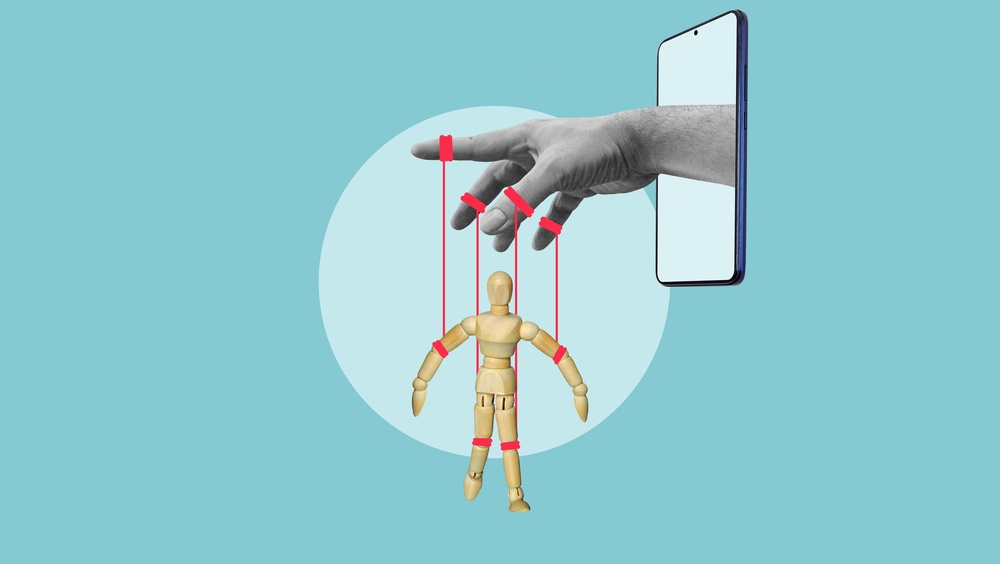
Is social media as addictive as cigarettes or gambling? Is the well-being of our youth under constant attack? This is the argument that continues in the wake of a landmark legal decision last month that could reshape how young people interact with technology.
Both Meta and YouTube were found negligent in a decision that held these social media platforms accountable for harming the mental health of a young user named Kaley, who identified as K.G.M. According to an article written by Cecilia Kang, Ryan Mac, and Eli Tan of the New York Times, Meta will pay $4.2 million in damages and YouTube will pay $1.8 million.
Though the amount may be insignificant to both companies given that they generate billions in revenue, it is enough to provide concerns for the future. Google, the parent company of YouTube, has plans to appeal, while Meta is reviewing its legal options.
Most significantly, the verdict represents a major win for the plaintiff, along with the thousands of other lawsuits already filed by teenagers, school districts, and state attorney generals.
“The finding validates a novel legal theory that social media sites or apps can cause personal injury, ” the Times article stated. The decision is expected to influence similar lawsuits scheduled for trial this year, potentially leaving more platforms with a greater vulnerability to financial consequences and pressures to change the layouts of each app or website.
“I think companies would want to keep their users without facing more and more lawsuits,” said Izzy Suelto, a junior at Montclair High School. “That might be enough to push them to make changes in their designs.”
This raises an important question. Are social media platforms intentionally designed to be addictive? And if so, does this make them responsible for harming young users?
Kaley, the victim in this case, testified that she began using social media at age six. While it was initially used as her creative outlet and a way to escape from bullying, she began to spend hours each day posting photos. She said her mental health eventually declined, leading to thoughts of self-harm.
The lawsuits argue that features such as algorithm driven content, infinite scrolling, autoplay, and constant notifications are designed to keep users engaged for as long as possible— no matter the effects.
“When I spend too much time on social media, my mental health can take a hit,” Suelto said. “I feel bad about myself after, like I’ve wasted time.”
This trial was the “…first time in history a jury has heard testimony by executives and seen internal documents that we believe prove these companies chose profits over children, ” Joseph VanZandt, a lawyer for the plaintiff, told the Times.
The case has drawn comparisons to lawsuits against tobacco companies, which have forced the companies to stop marketing to minors and undergo stricter regulations, leading to a decline in smoking rates.
Despite this, experts say it remains unclear whether this decision marks a turning point. While lawsuits continue to grow, meaningful changes to social media platforms are not guaranteed.
“I think in many cases it’s the platform’s fault for having such an addictive formula. But at the same time, users need to hold themselves accountable for how much time they spend on social media,” Suelto continued.
As legal pressure builds, the debate shifts. The question is no longer just whether social media affects mental health—but whether companies should be forced to take responsibility for it.