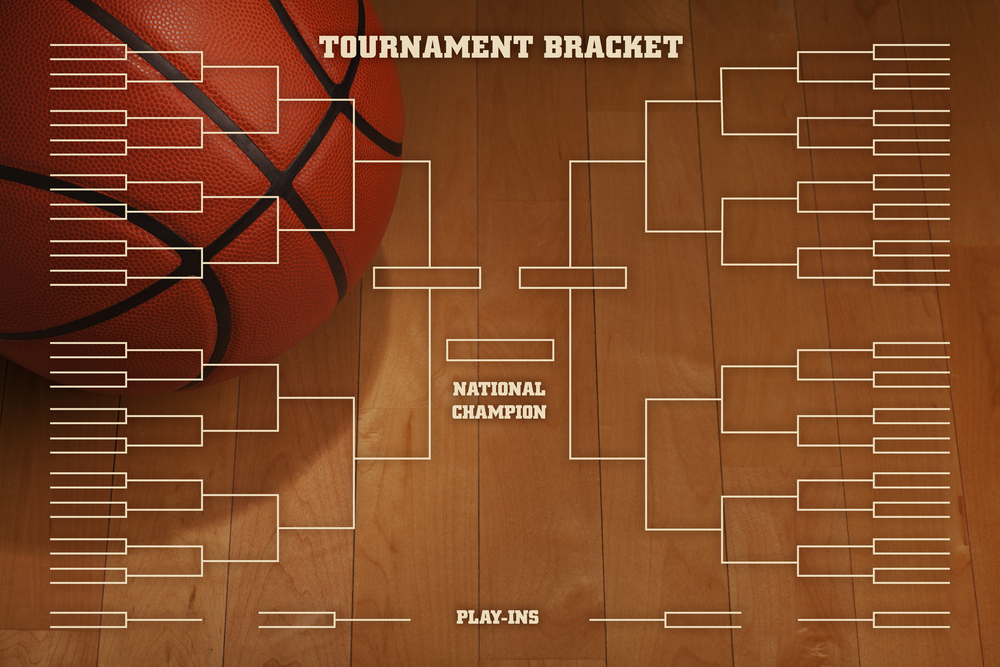
As the 2026 NCAA tournament bracket was revealed to the public, excitement quickly turned into frustration for some teams and their fans. Several programs were left out of the field, sparking major conversations about fairness, consistency, and how the selections are truly made.
For University of Indiana student Jayson Li, the cut of his team wasn’t shocking.
“ I wasn’t surprised,” he said, noting that Indiana’s overall performance didn’t fully justify a tournament bid. While disappointed, Li believes the committee ultimately values consistency over occasional standout moments.
“It all comes down to how you perform over time,” Li explained. That steady performance across the entire season carries more weight than one high performance game in the season.
Others pointed to the complex scenarios that the committee has to go through and the selection process itself. Santiago Hernandez, a high school senior an avid college basketball fan, admitted that initial reactions to seeding can be misleading.
“At first, it seemed surprising,” Hernandez said, “ but when you look at the strength of schedule and the full body of work, it starts to make more sense.” He emphasized the importance of non-conference games, which allow teams to prove themselves against varied competition.
Still, concerns remain about whether all teams are evaluated equally. Hernandez noted that mid major programs often struggle to gain recognition due to fewer opportunities for high profile wins. “They can have strong records but still not stand out enough” he said.
Amir Inghram, a Montclair High School junior, addressed the idea of bias toward larger conferences, suggesting it’s less about favoritism and more about competition level.
“Bigger conferences face tougher schedules,” Ingrham said, though he acknowledged how frustrating it can be when teams with similar records are treated differently. According to Ingraham, factors like key wins and strength of schedule go beyond basic records and heavily influence decisions.
The debate also extends to the future of the tournament itself. Some, like Hernandez, see value in expanding the bracket to give more teams a chance, while others warn it could reduce the intensity that defines March Madness. Ingraham didn’t fully agree, sharing that expansion could help “bubble teams” but must be carefully balanced.
Although everyone has a different view, one common theme stayed center — consistency matters most. Li summed it up clearly, “One big win isn’t enough. You have to prove yourself throughout the season.” While that all may be true, some believe that the committee could improve their transparency skills. They could do this simply by offering better explanations for its decisions.
While snubs may shake confidence in the system, they also push fans and analysts to look deeper at what truly defines a tournament worthy team.