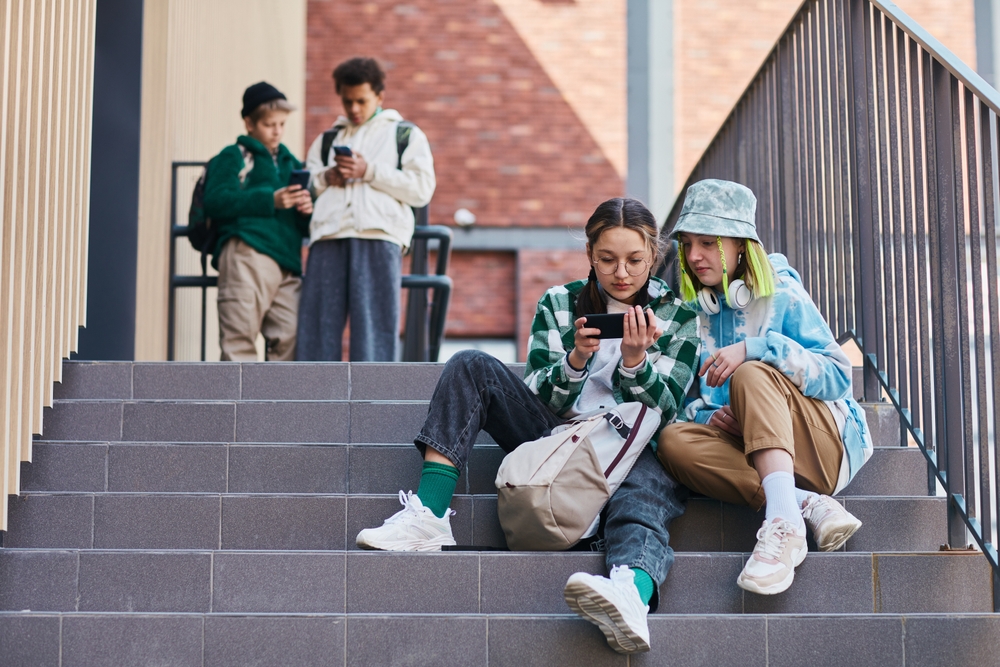
Generation Alpha (Gen Alpha) is defined by the demographic of people born between the early 2010s to the late 2020s. Naturally, this means they now make up a majority of the student populace in K-12 education.
However, this generation brings about challenges to the education system in the United States, highlighting many issues schools need to address. The Annie E. Casey Foundation, an organization which helps children and young people by “strengthening families, building stronger communities, and ensuring access to security,” mentions one such issue: literacy rates among students are decreasing.
The organization referred to the National Assessment of Educational Progress (NAEP), a government-mandated program that biennially reports on changes in student achievement, noting that between 2019 and 2022, reading scores among fourth graders have “plummeted, representing decades of lost progress.”
This trend continued into 2024, as the NAEP reported that 40% of fourth graders now perform below the NAEP Basic level, meaning they are unable to display partial mastery of knowledge and skills needed for their grade level. This statistic represents a 2% increase over 2022 statistics.
MHS parent Ashlee Wolfe theorizes that the Coronavirus (COVID) epidemic was a factor in this drop, mentioning that COVID affected the foundational education needed for child development.
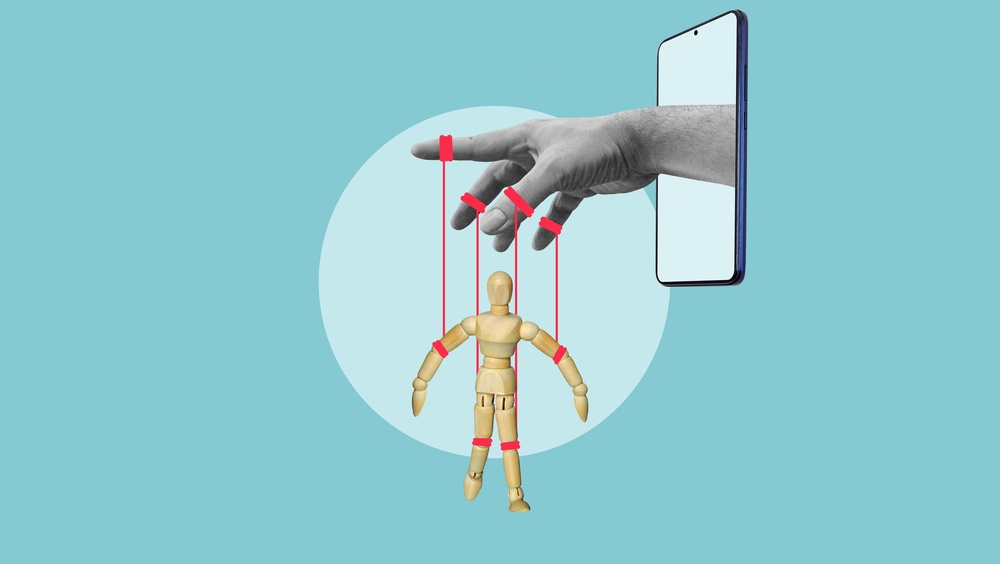
Student Theo Mital agrees with this statement, mirroring the claims Wolfe made. “[T]hat definitely interrupted learning during their formative stages, and it probably also ruined them going into it and then learning the basic learning skills,” he said. Mital also suggests the wider accessibility of technology to be another possible factor. “[T]here [are] definitely parents who are giving their kids electronics too early, and they’re made to be addictive,” Mital said.
With the rise of technology came the growth of Artificial Intelligence (AI). Many people were exposed to it and that included children as well. According to a study done by journalist Christina Lewis, nearly half of Gen Alpha students use AI, “whether for help with homework or for fun.”
“Students are just learning how to think, and when they learn how to think sitting side by side with an AI, there’s a strong temptation to let the AI do the thinking,” inquired Peter Kaplan, a physics teacher at Montclair High School. This then naturally begs the question: are schools fighting to counteract this issue?
Wolfe believes they haven’t, mentioning that because COVID affected “mainly Gen Alpha and their foundation,” schools weren’t able to meet the students’ needs.
Mital expresses similar sentiments as Wolfe, claiming they failed to adapt to the conditions COVID left Gen Alpha in. “[S]chool systems, they do have to make sure that kids because of COVID, are getting what they need, so I’d say schools systems haven’t done enough to adapt … setting them back a lot,” he said.
Mital proposes a possible solution to this problem. “The best idea is … get the kids reading. If you could just drill the ideas, get them learning as quickly as possible, they can figure out how to read in a year,” he suggested.
Even if these aren’t implemented, Mital still believes things could get better, hoping that generations following Gen Alpha can improve academically. “I feel like the next generation — there is hope that without a huge disaster, you can get people who are smart,” he said.