Every year, according to the World Happiness Report (WHR) by Oxford University, the happiest countries in the world are the same: Finland in first place, Denmark in second, and Iceland a close third. With the below-freezing winters and remote lifestyles, what makes these places the happiest?
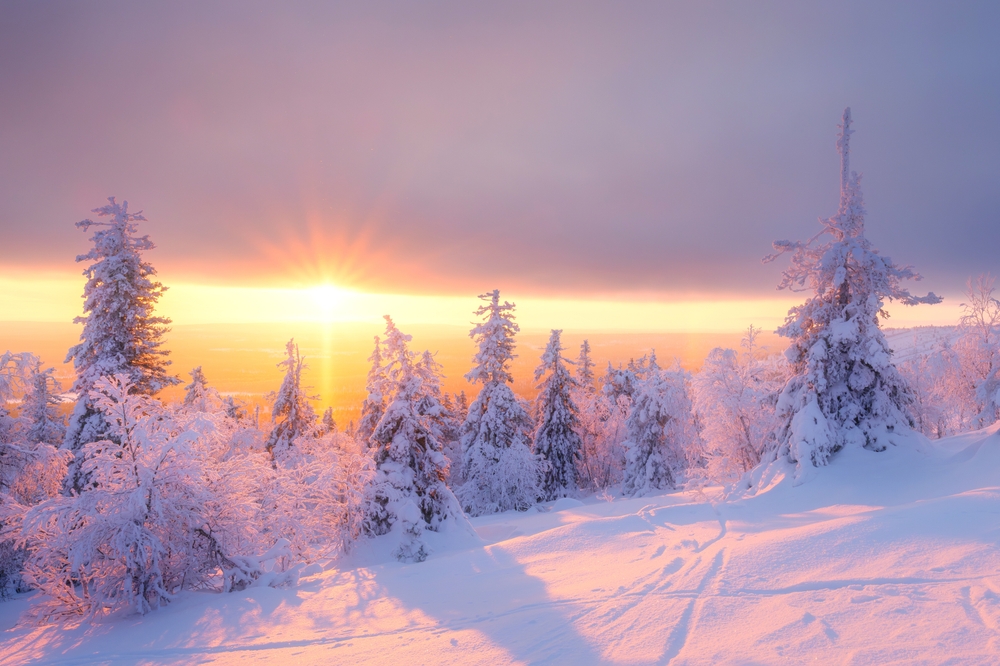
Winters in Finland are long and dark, with average temperatures about 30 degrees Fahrenheit and minimal hours of sunshine. Even though these conditions might be challenging for some people, they have learned to make what is best for themselves without worrying about the climate around them.
An article by Psychology Today shares William Doyle and his wife’s story of their move to Finland from New York City with their 7-year-old son. At first, he was unsure about how the climate would affect their everyday lives.
“According to the few books and articles I could find, Finland seemed like a truly lonely place,” Doyle said. “I worried. About cold. About darkness. I could barely make it through New York winters, and by March I usually was, like many other New Yorkers, cranky and nearly stir-crazy from being confined indoors with little sunlight and fresh air for four months.”
However, Doyle said he soon realized this wasn’t the case at all. Children spend 15 minutes every hour outdoors, even in sub-zero conditions, and everyone can adapt to the weather when it comes to transportation and daily activities. People were never stranded at home; the slower work pace and emphasis on togetherness changed the fear of just surviving winter, but thoroughly embracing it.
Even though Finland’s happiness is based on its connectivity with others, after talking to students at MHS, they focused more on basic needs as essentials.
“If everyone has food, the poverty percentage is very low, people can afford housing, and the government is providing them with public services,” Ina Prodan, a freshman at MHS, said.
Prodan said she thinks this makes a country happy. Her recent trip highlighted the importance of how foreign places take advantage of slowing down life as a whole, similar to Finland and other Nordic countries.
“My favorite country I’ve visited is France because not only is it the most recent place I’ve visited, but I also like how slow people take things there,” Prodan said. “You could sit down for two hours if you wanted in a restaurant, and the waiters won’t try to kick you out.”
Prodan’s experience suggests that happiness isn’t necessarily always a place, but how different societies prioritize the well-being of their citizens. Not only is this exemplified in European countries, but also in other parts of the world.
Zoe Baker, also a freshman at MHS, spent her 8th-grade year in New Zealand and shared her thoughts on what made her experience positive.
“It is super far away from everything, which makes it much more peaceful, and it also feels more like a community,” Baker said. “School was so much better because it felt like a lot of the pressure that is usually put on high school students in the U.S wasn’t there.”
Both of these examples explain that countries with happy people do more to support their citizens. Whether it’s the sense of community, extra time off, safer transportation, or less overall stress, all of these countries pride themselves on doing what is best for the people.
Happiness isn’t necessarily a country’s location but how the citizens can live in a way that focuses on their own well-being. The happiest countries in the world aren’t perfect, but they have changed their focus from mass productivity to what people need to sustain a happy and healthy lifestyle.