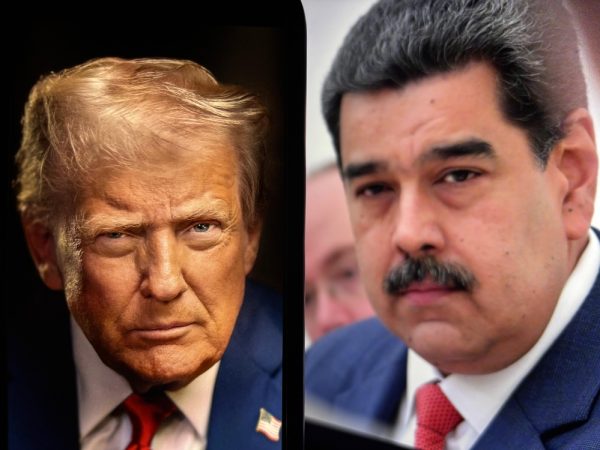
On Jan. 3, the U.S. captured then-Venezuelan president Nicolas Maduro in a covert operation in Venezuela. Since then, many opinions and debates on whether it was a justified move have emerged. Trump has since thrown shots at Colombia, Cuba, and most infamously, Greenland, which he claims the United States “needs.” This aggression has alienated many allies and threatened the United States’ established place in the world.
The first and most important place that Trump has set his eyes on is Greenland, which he claims the U.S. needs for national security reasons. Trump’s push for Greenland has drawn much scrutiny, as many claim that the supposed national security threat is nonexistent since the U.S. is already allowed to conduct military operations in Greenland under a 1951 agreement with Denmark, which owns and controls Greenland.
Another key problem is that Denmark is a NATO [North Atlantic Treaty Organization] ally of the United States, and by rule, if the U.S. attacks Greenland, then all of the other NATO countries must go to war with the U.S.This would likely shatter all of the alliances that make the U.S. so powerful. Losing NATO would indisputably damage the United States’ global influence and power. Trump refused to rule out the possibility of leaving NATO over Greenland, and he has also said that he may impose tariffs on countries that do not align themselves with his plan for greenland.
Besides directly taking over Greenland, the Trump administration has also threatened many countries in Latin America. Among these is Colombia. Trump was asked about a military operation there, he said, “It sounds good to me.” Trump said Colombia is run by a “sick man, who loves making cocaine and selling it to the United States, and he’s not going to be doing it very long.”
He also took shots at Cuba, with which the United States has a notoriously complicated history .
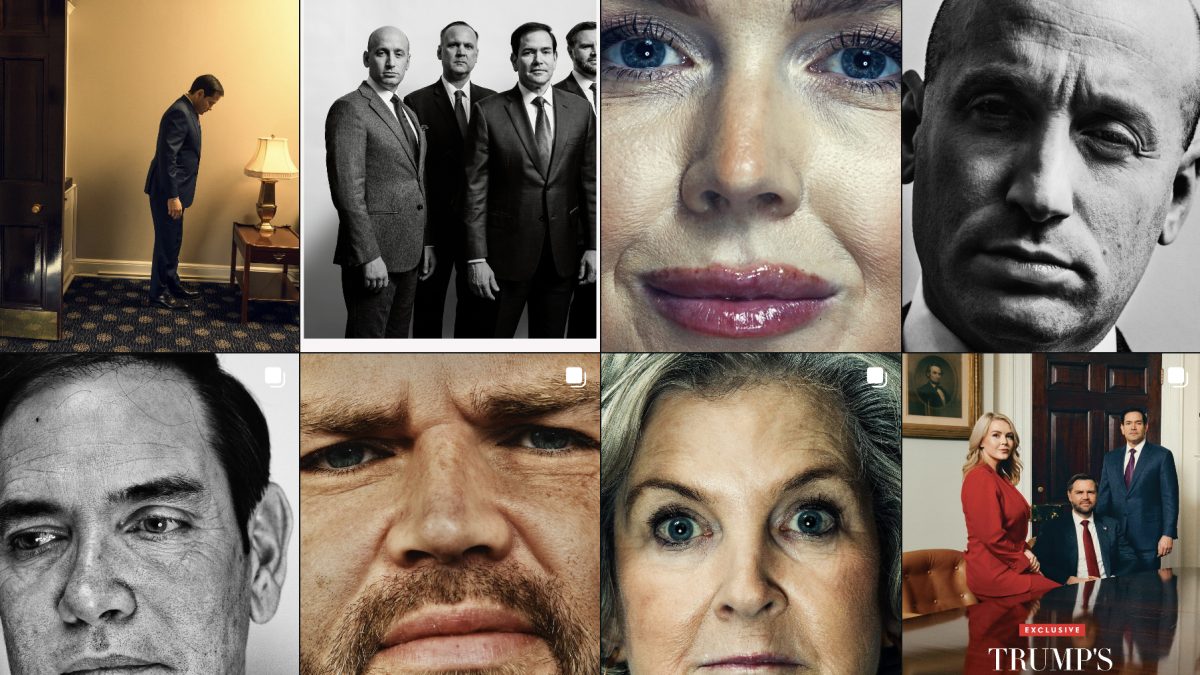
U.S. Secretary of State Marco Rubio said, “If I lived in Havana and I was in the government, I’d be concerned .” Many critics find this concerning; if the US continues to violate international law, rival nations such as Russia and China will likely do the same to keep up. It could also devalue international law and agreements that have been in place since the United Nations formed after World War II.
In addition to the complicated geopolitical implications of these rising tensions, it has also created an array of debates and opinions across nations. Nancy Martinez is a naturalized U.S. citizen, who came to the U.S. from Cuba in the 1950s, and has since had to watch the many devastating times that Cuba has experienced from the outside. Martinez said her support of a potential U.S. overthrow of the Cuban government is nuanced. “Yes, I believe that Cuba needs to be free from their communist regime. I mean it’s been like 60 something years, and we need to see a change in Cuba.” However, it is complicated, as she, along with many people, have little trust in the Trump administration to do the right thing.
“It’s very conflicting, they [the Trump administration] do it for their own interest…They’re looking for themselves, but Cuba needs to be free. I was so happy when I heard Marudo was captured…but then, he left the same people…What have they done?” Martinez said.
Martinez also fears that history will repeat itself if the U.S. takes over Cuba. Cuba was controlled by the U.S. from 1898 to 1934, and was ruled under heavy US influence until Fidel Castro’s infamous communist regime took control in 1959, the result of a bloody revolution, which since then, has been little but disaster and chaos for Cuba.
“What happened with Castro was a result of imperialism, and now we’re going back to that,” Martinez said. Despite all of this, Martinez said she still believes that it is in Cuba’s best interest to move forward.
“I don’t trust Trump, but it’s the last resort.People there are starving, they have nothing, the regime hasn’t given them what they promised, it’s about time…” Martinez said. “It cannot be worse than it is right now, even when Batista [a U.S. backed dictator who was in power before Castro] was there, people lived well.”
Martinez also said she does not think Cuba can exist on its own for any longer now that it does not get resources from Venezuela. “With Venezuela not giving Cuba oil, Cuba is dead.”
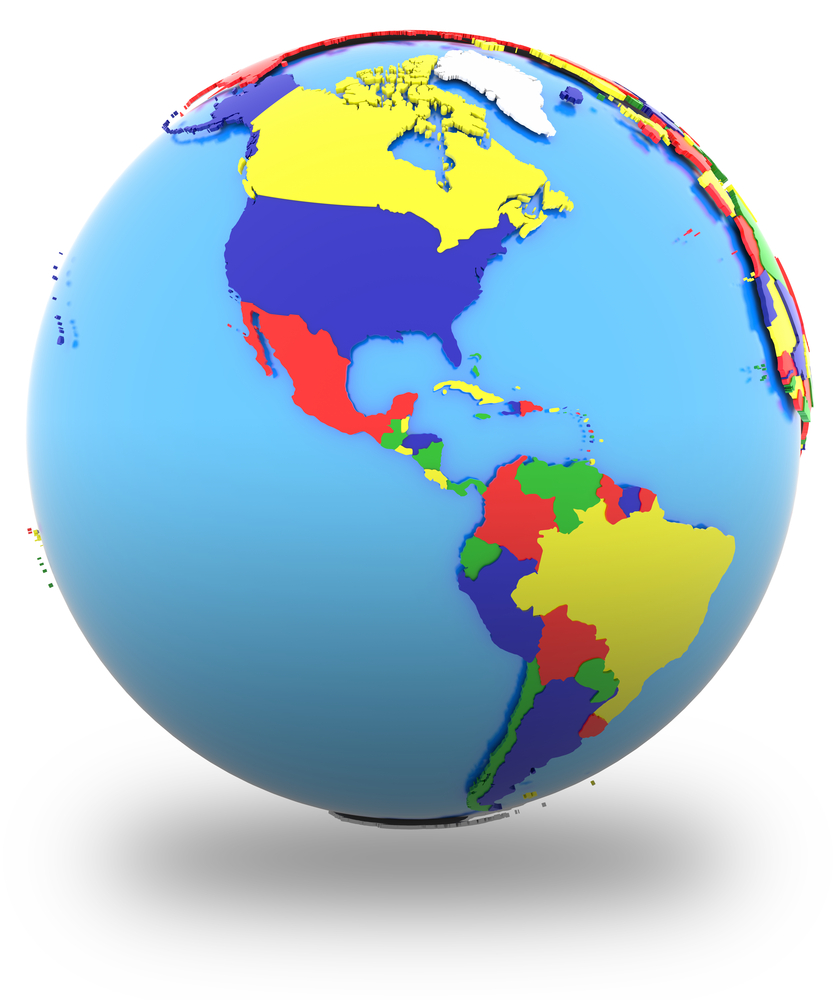
As Martinez concedes, opinions on this topic are varied and complicated, but she, along with the rest of the world now watches, as all eyes are on the Americas.