For centuries, winter fashion has been tied to a constant cycle, in which some styles and patterns from earlier years make their way into modern clothing. Traditionally, the season is dominated by dark, muted colors meant to match winter’s gloomy atmosphere. However, this year’s pattern is shifting. Brighter hues are becoming more common, signaling a move towards expressive winter clothing.
Influenced by varying color palettes, functional warmth and a growing interest in bold fashion choices, many people are starting to experiment with color during the colder months. While personal style varies, incorporating brighter elements into winter outfits has become a way for people to refresh their wardrobes and stand out in the darker days of the season.
Bright Winter Colors
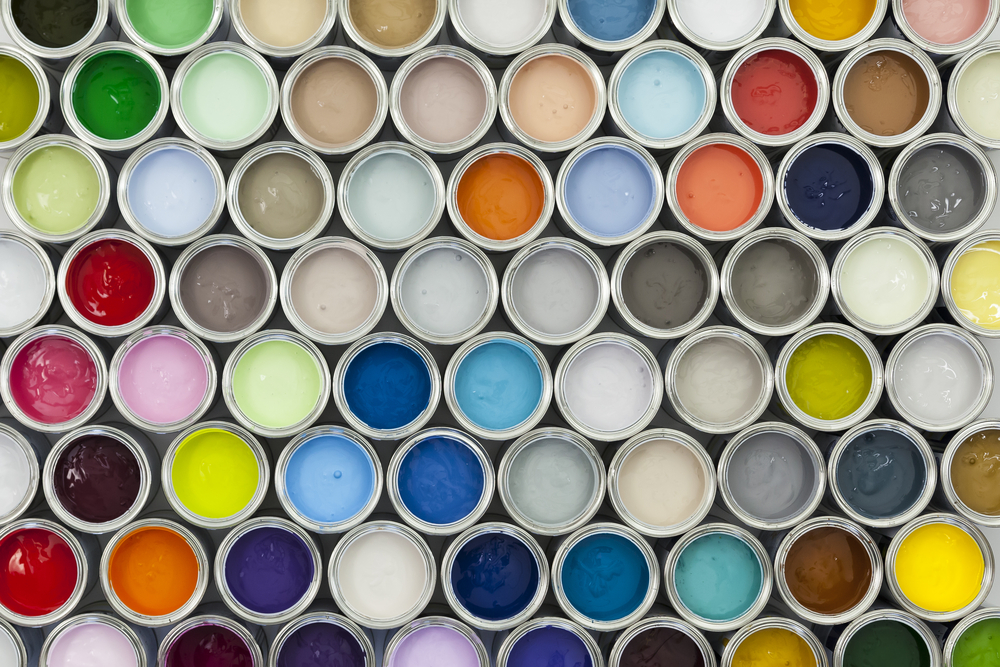
As of late, people have been departing from the usual rich, deep colors that dominate the colder months. Notably, hues such as hot pinks and electric blues have been reappearing, a palette that was heavily marketed in the mid-1980s.
Psychology also suggests that wearing brighter colors in the winter can alter your mood significantly, influencing many to participate in the trend. “Bright, the winter is drab enough so why not add some color?” Montclair High School science teacher Joyce Weeg said.
For others, incorporating both light and dark hues into an outfit has become a familiar way to embrace the trend. “I prefer bright colors for shirts, and my pants are usually neutral,” says Montclair High School math teacher Felicia Dohm. “I just like a more colorful look most of the time.”
If you’re not sure where to start, you can try these simple ways to brighten up your wardrobe:
- Accessories first: Swap your standard black gloves for a set in pink or yellow
- Monochromes: Wear various shades of your favorite vibrant color
- The Denim Anchor: Pair blue denim with any intense tone for a balanced finish
Comfort & Basics
The demand for relaxed clothing has taken over the fashion industry lately, leading to an increase of loungewear in stores like Hanes, Lululemon, and Victoria’s Secret. However, this demand has also influenced the “capsule wardrobe”, a small collection of basic clothing staples that can be mixed and matched with one another, making it easy to put together an outfit.
In fact, the use of basic winter clothing like cotton hoodies and sweatpants over high-end coats and jeans has become so popular that it’s beings recognized as the standard. “I think that basic is considered to be trendy now,” MHS French teacher Olivia Filip said. Ultimately, this trend represents the move towards clothing that looks just as good as it feels.
After evaluating materials, fits, and aesthetics, I’ve gathered a few websites for you to skim through:
Aritizia alo yoga Everlane lululemon
Neutrals
Despite the rise of bold colors in this chilly period, many people are still relying on the traditional rich browns, creams, and soft gray tones throughout. These shades emphasize on aspects like elegance and sophistication, as they naturally draw attention to the wearer without coming off as “extravagant”. “I prefer neutral since I don’t like to stand out,” Filip said.
Not too long ago, Pantone announced their 2026 color of the year, Cloud Dancer, a soft off-white tone meant to symbolize modernity and cleanliness. Some felt concerned about the choice, labeling it as tone-deaf and dystopian. Others are pleased with the decision, suggesting that it represents serenity and beauty in this time period. While both of these arguments have some truth to them, this choice definitely symbolizes the shift towards neutral tones in the fashion industry.
Here are two primary ways to add neutrals to your wardrobe without sacrificing individuality:
- Vary the tonal shades: Instead of sticking to one hue, combine different tones to create a detailed look that doesn’t fall flat
- Use black as a tool: Swap a light colored accessory out for a black belt or black boots to keep away from a washed out ensemble
Layering
This year, the conversation around winter fashion is moving towards giving layers a new purpose: visual and stylistic depth. In other words, layering isn’t only about functionality anymore, it’s become a prominent fashion statement that people can use to express themselves freely.
Thankfully, there’s a wide range of ways to layer, with some opting for oversized scarves and sweaters and others prioritizing proportional clothing. “I prefer a layered look with leggings,” Weeg said.
If you’re considering new ways to continue layering, you can start with these techniques:
- Mix textures: Blend smoother fabrics with rougher ones for variety
- Underlayers: Let collars and cuffs show underneath thicker material
- Elevated outerwear: Stack numerous lightweight pieces on top of each other rather than wearing one giant jacket
- Sleeves: Wear a long sleeve top under a short sleeve shirt for extra warmth and design
Wearable Tech
From heated apparel to smart headwear, the use of wearable technology has recently started to emerge as a winter fashion trend. While it provides a good layer of warmth, this shift represents the influence technology has in the fashion industry, along with its efficiency for the wearer.
As a matter of fact, wearable technology has also made its way into our school community. “I often wear rechargeable hand warmers or a heated vest/jacket,”Dohm said. By integrating these active heating elements into clothing, people are avoiding the need for traditional, heavy outerwear that can distract from the point of an outfit.
Based on overall quality, I’ve rounded up some essential places to shop from that help embody this movement to its fullest.